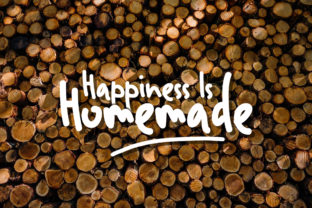
Make Sense: A Handwritten Font with Heart
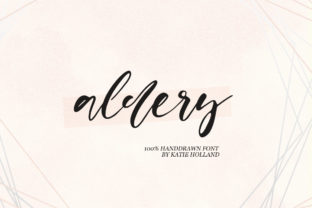
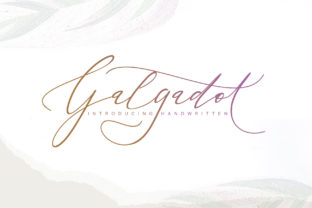
When it comes to choosing the right font for your design project, the right choice can make all the difference. Make Sense is a beautiful and handwritten font that brings a unique charm to any project. With its elegant strokes and authentic feel, it adds a spark of personality and authenticity that stands out in a sea of digital fonts.
The Charm of Make Sense
Make Sense isn’t just another font—it’s a style that tells a story. Its handwritten nature gives it a sense of warmth and individuality that machine-generated fonts often lack. Whether you're designing a wedding invitation, a social media post, or a branding package, Make Sense can elevate your visuals with its expressive character.
What makes Make Sense special is its ability to blend simplicity with sophistication. The font features a natural flow that feels both modern and timeless. Each letter is crafted with care, making it ideal for projects that require a personal touch without sacrificing readability.
Where Can You Use Make Sense?
The versatility of Make Sense means it can be used in a wide range of contexts. Here are some common applications:
- Branding: Perfect for logos, packaging, and promotional materials where a handcrafted look is desired.
- Marketing Materials: Ideal for flyers, brochures, and posters that need to stand out.
- Digital Content: Great for website headers, social media graphics, and email signatures.
- Event Invitations: Adds a personal and elegant touch to invitations, programs, and event signage.
- Artistic Projects: Suitable for creative works like greeting cards, illustrations, and custom designs.
Whether you’re a small business owner looking to build brand identity or a designer working on a personal project, Make Sense offers a versatile solution that enhances visual appeal while maintaining clarity.
Who Benefits from Using Make Sense?
Make Sense is particularly beneficial for individuals and businesses that value creativity and authenticity. It appeals to:
- Creative Professionals: Designers, illustrators, and artists who want to add a unique aesthetic to their work.
- Small Business Owners: Entrepreneurs and local businesses aiming to create a distinctive brand presence.
- Content Creators: Bloggers, influencers, and social media users seeking to differentiate their content visually.
- Event Planners: Those organizing weddings, parties, or other events that require personalized touches.
- General Consumers: Anyone looking for a stylish and readable font that adds character to their projects.
Its user-friendly nature also makes it accessible to those with limited design experience. Even if you're not a professional, you can easily incorporate Make Sense into your designs and achieve professional-looking results.
Strengths of Make Sense
Make Sense has several strengths that make it a popular choice among designers and creators:
- Readability: Despite its handwritten style, Make Sense maintains excellent legibility, making it suitable for both short and long texts.
- Visual Appeal: The font’s elegant and flowing script adds a touch of sophistication and artistry to any design.
- Adaptability: It works well across various mediums, including print and digital formats.
- Personalization: The font's organic feel allows for a more personal and authentic expression in design projects.
These qualities make Make Sense a go-to option for anyone looking to infuse their work with character and charm.
Considerations and Limitations
While Make Sense offers many benefits, it’s important to consider its limitations before using it in your projects:
- Not for Formal Documents: Due to its informal and artistic nature, Make Sense may not be appropriate for formal reports, legal documents, or academic papers.
- Requires Careful Use: To maintain readability, it should be used sparingly and paired with other fonts for balance.
- May Not Render Consistently: Depending on the platform or device, the font might appear differently, especially at smaller sizes.
It’s essential to test how Make Sense looks in different contexts and ensure it aligns with your overall design goals.
Real-World Applications
To better understand how Make Sense can be applied, let’s explore a few real-world scenarios:
Example 1: Wedding Invitations
A couple planning a wedding might use Make Sense for their invitations to add a romantic and personalized touch. The font’s elegance complements the theme of love and celebration, making the invitations feel more intimate and meaningful.
Example 2: Branding for a Local Bakery
A small bakery could use Make Sense in its logo and packaging to reflect its cozy and artisanal vibe. The font helps create a warm and inviting image that resonates with customers.
Example 3: Social Media Graphics
Content creators often use Make Sense for their Instagram posts, YouTube thumbnails, and other online content. Its eye-catching style helps their posts stand out in a crowded digital space.
Evaluating Suitability for Your Needs
Before incorporating Make Sense into your projects, consider the following questions:
- Does the font align with the tone and message of your project?
- Will it enhance the visual appeal without compromising readability?
- Is it appropriate for the intended audience and context?
- Are there any technical limitations or compatibility issues to be aware of?
By carefully evaluating these factors, you can determine whether Make Sense is the right choice for your specific needs.
Final Thoughts
Make Sense is more than just a font—it’s a statement of style and personality. Its charming, handwritten design adds a unique flair to any project, making it an excellent choice for those who value creativity and authenticity. Whether you're a designer, a small business owner, or simply someone looking to enhance your digital presence, Make Sense offers a versatile and beautiful solution that stands out in the world of typography.