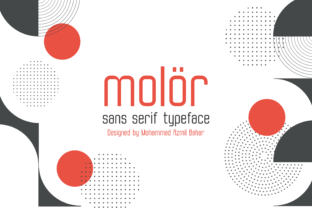
Molor: A Strategic Tool for Modern Creativity and Communication
Molor is more than just a font—it's a strategic asset that can elevate communication, branding, and creative expression. Designed with a fun and playful sans serif style, Molor brings a modern and cool vibe to any project. Its unique charm isn’t just about aesthetics; it’s about how it can be strategically applied to support goals, enhance clarity, and foster better decision-making in both personal and professional contexts.
The Strategic Value of Molor in Branding and Communication
When selecting a font for branding or communication, the choice goes beyond visual appeal. It impacts how your message is perceived, how it resonates with your audience, and how effectively it conveys your brand’s identity. Molor offers a fresh alternative to traditional sans serifs by blending approachability with a distinct personality.
For brands targeting younger audiences or those looking to inject energy into their messaging, Molor can be an effective tool. Its playful curves and bold structure make it ideal for websites, social media content, and marketing materials where a dynamic tone is desired. However, its utility extends beyond youth-oriented brands. In professional settings, Molor can help differentiate a brand from competitors while maintaining a level of sophistication.
Consider a startup aiming to disrupt a traditional industry. Using Molor in their logo and promotional materials can signal innovation and a willingness to break norms. This aligns with their strategic goal of standing out in a crowded market. The font becomes part of the brand’s narrative, reinforcing the message that they are forward-thinking and modern.
How Molor Supports Planning and Decision-Making
Strategic planning often involves making choices that balance creativity with practicality. Molor can play a role in this process by offering a visual anchor for ideas. When designing a new product launch, for example, using Molor in concept sketches or early design mockups can help visualize the final outcome before committing to a full design.
This font also aids in decision-making by helping teams maintain consistency across different touchpoints. Whether it’s a website, email newsletter, or print material, Molor ensures that the brand voice remains cohesive. Consistency builds trust, which is crucial for long-term success.
Moreover, Molor’s readability at various sizes makes it suitable for both digital and print formats. This versatility supports diverse planning scenarios, from creating social media posts to developing comprehensive reports. By choosing a font that works across platforms, you reduce the risk of miscommunication and ensure your message is clear, regardless of the medium.
Practical Use Cases for Molor
- Marketing Campaigns: Molor’s playful nature makes it perfect for campaigns that aim to engage and entertain. It can be used in headlines, call-to-action buttons, and social media graphics to draw attention and encourage interaction.
- Branding Materials: From logos to packaging, Molor adds a modern edge to brand assets. It’s especially useful for businesses that want to convey a sense of fun without compromising professionalism.
- Website Design: Integrating Molor into a website’s typography can enhance user experience. Its clean lines and legibility improve readability, making it easier for visitors to navigate and absorb information.
- Content Creation: Bloggers, educators, and creators can use Molor to highlight key points, create visual interest, and reinforce their message through thoughtful typography.
- Product Packaging: For small businesses and startups, Molor can help stand out on store shelves. Its unique appearance can catch the eye of potential customers and communicate quality and innovation.
Each of these use cases demonstrates how Molor can be strategically deployed to achieve specific outcomes. The key is to align its use with broader objectives rather than relying on it as a standalone solution.
When to Use Molor and What to Consider
Before implementing Molor in your projects, consider the context and audience. While it’s versatile, it may not always be the best fit. For instance, in highly formal or legal settings, a more traditional serif font might be more appropriate. Similarly, if your target audience prefers minimalistic designs, Molor’s playful elements could feel out of place.
Also, think about the purpose of the content. If the goal is to convey authority or professionalism, a bolder, more structured font might be better. However, if the goal is to inspire creativity or build a connection with a younger demographic, Molor can be an excellent choice.
Another important consideration is accessibility. Ensure that Molor is readable across different screen sizes and backgrounds. Test its performance on mobile devices and dark mode interfaces to avoid issues with contrast and legibility.
Long-Term Benefits of Intentional Font Choice
Choosing a font like Molor is not just about aesthetics—it’s about building a foundation for long-term results. A well-chosen font contributes to a consistent brand image, which enhances recognition and trust over time. This is particularly valuable for businesses looking to establish themselves in competitive markets.
Additionally, intentional font selection supports efficient operations. When all communication materials—whether digital or physical—are aligned in terms of typography, it reduces the need for constant revisions and ensures that messages are delivered consistently. This saves time and resources, allowing teams to focus on more strategic tasks.
From a learning perspective, Molor can be a useful tool for students, educators, and professionals. Its clear structure and engaging style make it suitable for educational content, presentations, and instructional materials. It can help learners retain information more effectively by making the content visually appealing and easy to follow.
Risks of Using Molor Without Clear Goals
While Molor has many strengths, it’s not without risks. One of the biggest dangers is using it without a clear understanding of its impact. If a font is chosen randomly or based on aesthetics alone, it may not align with the overall strategy, leading to confusion and a weakened brand identity.
Another risk is over-reliance on the font without considering other design elements. Typography is just one part of a larger visual hierarchy. If Molor is used excessively or inappropriately, it can overshadow other design components, resulting in a cluttered or unprofessional appearance.
Additionally, using Molor in contexts where it doesn’t fit can alienate the target audience. For example, applying it to a serious business report may come off as unprofessional or untrustworthy. This highlights the importance of thoughtful application and alignment with brand values.
Strategic Observations and Decision-Making Guidance
To maximize the value of Molor, it’s essential to approach its use with intentionality. Start by defining your goals and determining how the font fits into your overall strategy. Ask yourself: Does Molor support my brand’s message? Will it resonate with my audience? Is it appropriate for the context?
Once you’ve identified the right use cases, test Molor in different formats and environments. Observe how it performs in real-world scenarios and gather feedback from stakeholders. This iterative process helps refine your approach and ensures that the font is used effectively.
Finally, remember that typography is just one element of communication. While Molor can enhance your message, it should never replace the substance or quality of your content. Use it as a tool to support your goals, not as a substitute for meaningful work.