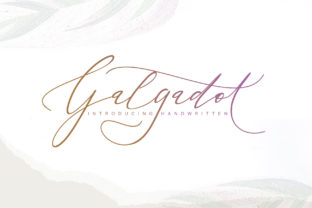
Galgadot: A Handwritten Font with Strategic Value for Design and Communication
When it comes to typography, the right choice can elevate a design from ordinary to extraordinary. Galgadot is more than just a font—it’s a carefully crafted handwritten style that brings elegance, authenticity, and personality to any project. Designed with intention, Galgadot offers a unique visual identity that aligns with both aesthetic and strategic goals. Whether you're crafting a brand identity, creating marketing materials, or enhancing digital content, understanding how to use Galgadot intentionally can significantly impact your outcomes.
What Is Galgadot and Why It Matters
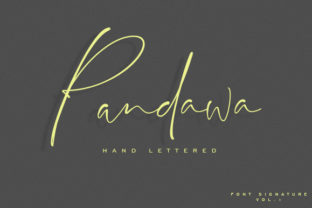
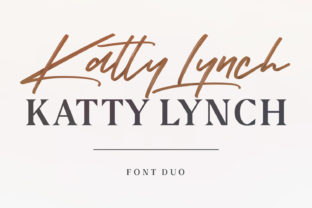
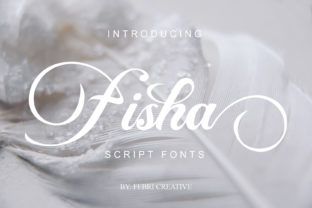
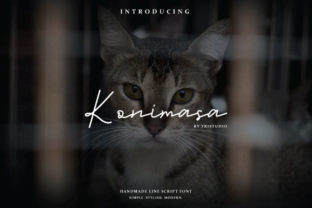
Galgadot is a stunning, handwritten font that combines fluidity with precision. Its design is rooted in natural handwriting, yet it maintains a level of sophistication that makes it suitable for professional contexts. Unlike generic sans-serif or serif fonts, Galgadot adds a human touch to text, making it ideal for projects that require warmth, creativity, and individuality.
From a strategic perspective, typography plays a critical role in shaping perception and communication. The right font can convey trust, innovation, or artistry, depending on its design and application. Galgadot excels in scenarios where authenticity and character are key. It’s not just about looking good—it’s about communicating the right message through visual language.
Strategic Use of Galgadot in Branding and Communication
Branding is fundamentally about storytelling, and typography is one of the most powerful tools in that narrative. Galgadot can be a valuable asset in building a brand’s visual identity. Its elegant curves and organic flow make it well-suited for logos, taglines, and promotional materials that aim to evoke a sense of craftsmanship and care.
For example, a boutique fashion label might use Galgadot in its branding to reflect a handcrafted, artisanal approach. Similarly, an educational platform could leverage the font to create a welcoming and approachable tone in course titles or promotional copy. The key is to align the font’s characteristics with the brand’s core values and audience expectations.
When used strategically, Galgadot can also enhance user experience. In digital contexts, such as websites or email newsletters, it can help differentiate headings and calls-to-action, drawing attention without overwhelming the reader. This thoughtful use of typography supports clarity, engagement, and conversion rates.
Planning for Effective Typography: Goals and Context
Before implementing Galgadot in any project, it’s essential to consider your goals and the context in which the font will be used. Typography should serve a purpose, whether it’s to build brand recognition, improve readability, or create emotional resonance.
Start by defining the objective of your design. Are you aiming to communicate professionalism, creativity, or approachability? Once you have a clear direction, evaluate how Galgadot fits into that vision. For instance, if your goal is to establish credibility, a more structured font may be more appropriate. However, if your focus is on creativity or personalization, Galgadot could be the perfect fit.
Consider the audience as well. Will they respond better to a modern, clean font, or do they appreciate the warmth and uniqueness of a handwritten style? Understanding your target demographic helps ensure that your typographic choices resonate with them.
Practical Examples and Use Cases
Galgadot is versatile enough to work across multiple platforms and industries. Here are some practical examples of how it can be applied:
- Marketing Materials: Use Galgadot for headlines in brochures, posters, or social media graphics to add visual interest and draw attention.
- Website Headers: Incorporate Galgadot for page titles or section headers to create a cohesive and memorable design.
- Product Packaging: Apply Galgadot to product names or taglines to give a handmade, premium feel.
- Blog Posts: Use it sparingly in blog headers or callout sections to highlight key points without overwhelming the content.
- Event Invitations: Leverage its elegant style for event titles or invitations to create a sense of exclusivity and charm.
Each of these examples demonstrates how Galgadot can be integrated into different aspects of a design strategy. The key is to use it consistently and thoughtfully, ensuring it complements rather than competes with other design elements.
Decision-Making and Long-Term Value
Typography decisions shouldn’t be made in isolation. They should be part of a broader strategic plan that considers long-term value and consistency. When selecting Galgadot, ask yourself: Does this font support my overall design strategy? Will it remain relevant as my brand evolves?
One of the greatest advantages of using Galgadot is its ability to create a lasting impression. Its distinctive style can become synonymous with your brand, helping to build recognition and loyalty over time. However, it’s important to maintain balance—overuse or inconsistent application can dilute its impact.
Additionally, consider how Galgadot performs in different formats. Does it look great in print? How does it render on screen at various sizes? Testing the font across different mediums ensures that it maintains its quality and intent throughout the design process.
Risks and Considerations
While Galgadot offers many benefits, it’s not without its challenges. One potential risk is over-reliance on the font without considering the broader design context. Using Galgadot for every element of a project can lead to visual clutter and reduce the effectiveness of your messaging.
Another consideration is accessibility. Handwritten fonts like Galgadot may be harder to read for some users, especially those with visual impairments. It’s important to ensure that the font remains legible at smaller sizes and in different color contrasts. Always test the font in real-world conditions before finalizing a design.
Finally, be mindful of licensing and usage rights. Not all fonts are free to use, and improper usage can lead to legal issues. Always verify the terms of use for Galgadot and ensure compliance with any restrictions or requirements.
Intentional Use for Better Results
The most effective use of Galgadot comes from intentional application. Rather than randomly incorporating the font into every design, take a strategic approach that aligns with your goals and audience needs. This means planning ahead, testing options, and refining your approach based on feedback and results.
Think of typography as a tool within your design toolkit. Just as you would choose the right brush for a painting or the correct tool for a task, selecting the right font for your project requires careful consideration. Galgadot is a powerful option, but it should be used with purpose and awareness.
By integrating Galgadot into your design strategy with intention, you can create more meaningful, engaging, and impactful experiences for your audience. Whether you’re building a brand, launching a campaign, or designing a website, the right typographic choices can make all the difference in achieving your objectives.