Itikaf: A Sophisticated Serif Font for Creative Projects
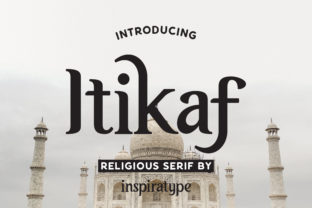
Itikaf is a sophisticated and charming serif font that has gained popularity among designers and creatives for its elegant appearance and versatile use. Inspired by classic posters, Itikaf combines the timeless appeal of traditional typography with modern design sensibilities. Whether you're working on branding materials, print designs, or digital content, Itikaf can elevate your project with its refined aesthetic.
Why You Might Be Interested in Itikaf
If you're looking for a font that adds a touch of elegance and sophistication to your work, Itikaf is worth considering. Its clean lines and balanced proportions make it visually appealing while maintaining readability. This makes it an excellent choice for both headings and body text, depending on the context.
Designers often seek fonts that reflect a sense of professionalism and artistry. Itikaf delivers on both fronts. Its design is reminiscent of classic poster typography, which suggests a level of craftsmanship and attention to detail. This can be particularly appealing for projects that require a certain level of formality or artistic flair.
Benefits of Using Itikaf
One of the primary benefits of using Itikaf is its visual elegance. The font's serifs add a decorative element that can enhance the overall look of your design without overwhelming the reader. This makes it suitable for a wide range of applications, from logos and invitations to brochures and website headers.
Another advantage is its versatility. Itikaf works well across different mediums, including print and digital formats. Its legibility at various sizes ensures that it remains effective whether used in large headlines or smaller body text. This adaptability makes it a valuable asset in any designer's toolkit.
Additionally, Itikaf is designed with a focus on readability and aesthetics. The spacing between letters and the weight of each stroke contribute to a harmonious and balanced appearance. This helps ensure that your text not only looks good but also functions well in terms of comprehension.
Considerations and Tradeoffs
While Itikaf offers many advantages, it's important to consider its limitations. As a serif font, it may not be the best choice for very small text or high-contrast backgrounds where readability could be compromised. In such cases, a sans-serif font might be more appropriate.
Another consideration is the availability of Itikaf. While it is available through various font foundries and platforms, it may not be as widely supported as some other popular fonts. This means that you may need to download and install it separately before using it in your projects.
Furthermore, Itikaf may not be the ideal choice for every design style. If you're aiming for a more modern or minimalist look, a simpler sans-serif font might better align with your vision. It's always important to evaluate how well a font fits within the overall design concept.
Situations Where Itikaf May Be a Strong Fit
Itikaf is particularly well-suited for projects that require a touch of elegance and refinement. This includes things like wedding invitations, luxury branding, editorial layouts, and artistic posters. Its classic inspiration makes it a great fit for designs that aim to evoke a sense of tradition and sophistication.
For instance, if you're creating a brochure for a high-end fashion brand or designing a logo for a boutique, Itikaf can help convey the right tone and feel. Its visual appeal can make your design stand out while maintaining a professional appearance.
Itikaf is also a good option for websites that want to maintain a consistent and elegant brand identity. When used in headings or call-to-action buttons, it can create a strong visual impact that aligns with the brand's values and messaging.
When to Consider Alternatives
While Itikaf is a fantastic choice in many scenarios, there are situations where alternatives may be more suitable. For example, if you're working on a project that requires a more modern or playful aesthetic, a sans-serif font like Montserrat or Raleway might be a better fit.
Additionally, if you're targeting a younger audience or aiming for a more casual vibe, a simpler and more approachable font could be more effective. Fonts like Open Sans or Lato offer a clean and contemporary look that may better resonate with certain demographics.
It's also worth considering the technical aspects of font usage. If you're working on a platform that doesn't support custom fonts easily, you may need to choose a font that is already embedded or widely available. In such cases, sticking to standard web-safe fonts might be more practical.
Practical Decision-Making Insights
When deciding whether to use Itikaf, it's important to evaluate your specific needs and goals. Ask yourself questions like: What is the purpose of the design? Who is the target audience? What kind of visual tone do I want to convey?
Consider testing the font in different contexts to see how it performs. Try using it in both print and digital formats, and check how it looks at various sizes and on different backgrounds. This will give you a better idea of its strengths and limitations.
Ultimately, the goal is to choose a font that enhances your message and supports your design objectives. Itikaf is a great option for those who value elegance and sophistication, but it's not the only solution. By carefully evaluating your options, you can find the font that best suits your project.