Bengawan: A Bold Handwritten Font for Creative Projects
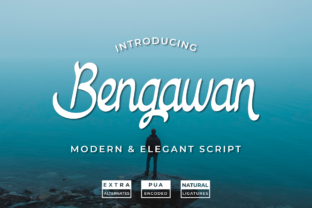
Bengawan is a distinctive handwritten font that stands out with its bold and expressive style. Designed to add character and authenticity to any project, it offers a unique visual appeal that can elevate creative work in both digital and print formats. Whether you're working on branding, invitations, or social media content, Bengawan provides a versatile option that can make your designs more engaging.
What Is Bengawan?
Bengawan is a typeface that blends the organic flow of handwriting with the confidence of bold typography. Its design features thick strokes and dynamic letterforms that give it a strong visual presence. The font is crafted to feel authentic and personal, making it ideal for projects that require a handcrafted touch.
Unlike traditional serif or sans-serif fonts, Bengawan brings a sense of spontaneity and creativity. Each character is designed with a distinct personality, which contributes to its overall charm. This makes it particularly well-suited for use in logos, headers, and other elements where visual impact is key.
Why Would Someone Be Interested in Bengawan?
There are several reasons why designers and creatives might choose Bengawan for their projects. First and foremost, its unique aesthetic can help differentiate a brand or project from competitors. In a world where digital content is abundant, standing out visually is essential.
Bengawan also offers a level of customization that many other fonts lack. Because it's a handwritten style, it can be adapted to suit different tones and messages. For example, a more playful version of Bengawan might be appropriate for children's products, while a bolder variant could work well for corporate branding.
Additionally, the font's versatility allows it to be used across multiple platforms and mediums. From web design to print materials, Bengawan maintains its integrity and readability, making it a practical choice for a wide range of applications.
Benefits and Tradeoffs
One of the main benefits of using Bengawan is its ability to convey emotion and personality through typography. It can add warmth, energy, and individuality to any design, which can be especially valuable in marketing and communication strategies.
However, there are some considerations to keep in mind. Because it's a handwritten font, Bengawan may not be suitable for all contexts. For instance, it may not be the best choice for body text due to its heavy stroke weight and less legible structure at smaller sizes.
Another tradeoff is the potential for overuse. While Bengawan has a strong visual identity, relying too heavily on it without balancing with other fonts can lead to a cluttered or inconsistent design. It’s important to use it strategically and in moderation.
Situations Where Bengawan Excels
Bengawan shines in situations where a bold, eye-catching style is needed. It works exceptionally well for headlines, titles, and promotional materials. For example, it can be an excellent choice for event posters, product packaging, and social media graphics where attention-grabbing visuals are crucial.
The font is also well-suited for creative industries such as fashion, art, and entertainment. Its expressive nature aligns well with projects that aim to evoke emotion or tell a story. Whether it's a brand identity campaign or a personal portfolio, Bengawan can help communicate a message with greater impact.
When to Consider Alternatives
While Bengawan has many strengths, there are scenarios where alternative fonts may be more appropriate. For instance, if your project requires a more professional or formal tone, a serif or sans-serif font might be a better fit. These fonts typically offer greater clarity and consistency, which is important for long-form content or technical documentation.
If you're designing for a younger audience or a more casual setting, consider exploring similar handwritten fonts that offer a lighter or more playful look. Fonts like Cursive or Script can provide a comparable level of creativity while maintaining a different visual balance.
Decision-Making Insights
When deciding whether to use Bengawan, it's important to evaluate your project's goals and audience. Ask yourself: Does this font align with the message I want to convey? Will it enhance the user experience or distract from it? Is there a need for consistency across different design elements?
Consider testing Bengawan in various contexts before committing to it. Experiment with different sizes, colors, and backgrounds to see how it performs in real-world applications. This will help you determine if it meets your needs or if a different approach is required.
Ultimately, the decision to use Bengawan should be based on its ability to support your creative vision while remaining functional and accessible. By understanding its strengths and limitations, you can make an informed choice that best serves your project.