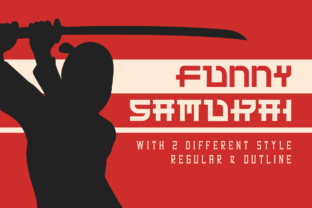
Funny Samurai: A Bold Sans Serif Font with a Unique Twist
When it comes to choosing the right font for your design projects, the right choice can make all the difference. Enter Funny Samurai, a unique sans serif font that brings an unexpected blend of Eastern aesthetics and bold typography. This font isn’t just about looking good—it’s about making an impression, adding character, and standing out in a sea of generic typefaces.
What Is Funny Samurai?
Funny Samurai is a modern sans serif font designed with a playful yet strong visual identity. Its name hints at its origin—inspired by the cultural and historical elements of Japan—but it’s far from traditional. The font features exaggerated strokes, quirky shapes, and a confident structure that makes it ideal for both digital and print media.
Whether you're creating branding materials, social media graphics, or website content, Funny Samurai offers a fresh alternative to standard fonts like Arial or Helvetica. It’s particularly popular among designers who want to add a touch of personality without sacrificing readability.
Common Mistakes When Using Funny Samurai
Despite its appeal, many users make mistakes when incorporating Funny Samurai into their work. These errors can affect the overall look, usability, and even the message you’re trying to convey.
- Overusing the font: Applying Funny Samurai to every element of a design can lead to visual clutter and reduce its impact. It’s best reserved for headlines, logos, or key text where it can shine.
- Ignoring scalability: While the font looks great on screen, it may not render as well at smaller sizes or in different resolutions. Always test how it appears across devices and platforms.
- Not considering readability: Although Funny Samurai is bold and eye-catching, some characters might be harder to read, especially in long blocks of text. Use it sparingly and pair it with more legible fonts for body copy.
- Using it without context: The font’s playful nature works best in certain contexts, like marketing campaigns or creative projects. Avoid using it in formal documents or professional reports where clarity and seriousness are expected.
How These Mistakes Can Affect Your Work
Choosing the wrong font can have a ripple effect on your project. Poor readability can confuse your audience, while overuse can dilute the font’s impact. In branding, consistency is key—mixing Funny Samurai with other fonts can create a disjointed brand image.
Additionally, using Funny Samurai in inappropriate settings can undermine professionalism. For example, applying it to a business report might signal unprofessionalism, which could harm your credibility with clients or readers.
On the flip side, using Funny Samurai in the right context can elevate your design. It adds a sense of fun and creativity that can engage audiences and make your content more memorable.
Practical Advice for Using Funny Samurai Effectively
If you’re considering Funny Samurai, here are some practical tips to help you use it wisely:
- Use it strategically: Save Funny Samurai for headlines, logos, or call-to-action buttons. It should draw attention without overwhelming the reader.
- Test across platforms: Ensure the font renders correctly on different devices and browsers. Some platforms may not support it natively, so consider web-safe alternatives or font hosting services.
- Pair it with complementary fonts: Combine Funny Samurai with a clean, readable font for body text. This creates a balanced and professional look.
- Check licensing terms: Make sure you have the proper rights to use Funny Samurai in your project. Some fonts come with restrictions on commercial use, so always review the license agreement before downloading or purchasing.
- Consider your audience: Think about who will be viewing your content. If your audience is more formal or professional, use Funny Samurai sparingly. If your target demographic is younger or more casual, it can be a great fit.
What to Check Before Using Funny Samurai
Before finalizing your decision to use Funny Samurai, take a moment to evaluate the following:
- Does it align with your brand identity? Does the font reflect the tone and values of your business or project?
- Is it accessible to all users? Will people with visual impairments or reading difficulties be able to understand your content clearly?
- Can it be used legally? Are there any restrictions on commercial use or distribution?
- Will it enhance or detract from your message? Does the font support your communication goals or distract from them?
- Does it look good in different formats? How does it appear in print versus digital media?
By asking these questions, you can ensure that Funny Samurai is used in a way that supports your goals rather than hinders them.
Conclusion
Funny Samurai is a powerful tool for designers and creators who want to add personality and style to their work. However, like any design element, it requires thoughtful application to be effective. By avoiding common mistakes and using the font strategically, you can create visually engaging and meaningful content that resonates with your audience.