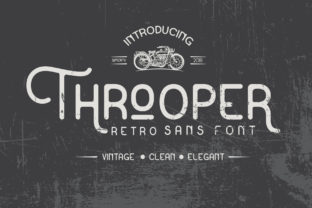
Throoper Font: A Versatile Sans Serif for Every Design Need
When it comes to choosing the right font for your design projects, the right choice can make all the difference. Enter Throoper, a bold and stylish sans-serif font family that’s gaining popularity among designers, marketers, and content creators alike. Inspired by old-school poster designs, Throoper brings a retro yet modern aesthetic to any project. Its clean lines and strong character make it an excellent choice for both digital and print media.
Why Throoper Stands Out
Throoper is more than just another font—it’s a versatile tool that can adapt to a wide range of applications. Whether you're creating a logo, designing a website, or preparing a presentation, Throoper offers a unique blend of readability and visual impact. Its geometric structure ensures clarity even at smaller sizes, while its bold strokes add a sense of energy and confidence to your text.
The font’s design draws inspiration from vintage advertising and graphic design, making it a perfect fit for branding projects that aim to evoke nostalgia without sacrificing modern appeal. Its versatility means it can be used in everything from minimalist layouts to eye-catching headlines, depending on how you apply it.
Common Mistakes When Using Throoper
Despite its strengths, many users make mistakes when working with Throoper. Understanding these common pitfalls can help you avoid unnecessary errors and ensure your designs are both effective and professional.
- Overusing Bold Weights: While Throoper’s bold variants are powerful, using them excessively can overwhelm your design. It’s important to balance weight and size to maintain readability and visual harmony.
- Ignoring Line Spacing: Throoper’s thick strokes can cause text to feel cramped if not spaced properly. Adjusting line spacing ensures your text remains legible and visually appealing.
- Misunderstanding Licensing: Not all fonts are free to use. Some versions of Throoper may require purchase or have specific licensing restrictions. Always check the terms before using the font in commercial or public-facing projects.
These mistakes can affect the overall quality of your work, leading to poor user experience or legal issues. By being mindful of these details, you can ensure that your designs are both legally compliant and visually engaging.
How to Use Throoper Effectively
Using Throoper correctly involves more than just selecting the right weight or style. Here are some practical tips to help you get the most out of this font:
Start with the Basics: Before diving into complex designs, test Throoper in simple formats like headings, body text, and labels. This helps you understand how it performs in different contexts.
Pair Thoughtfully: Throoper works well with complementary fonts. For example, pairing it with a clean serif font like Georgia or a modern sans-serif like Montserrat can create a balanced and professional look.
Use It Strategically: Save Throoper for key elements such as titles, logos, and call-to-action buttons. Avoid using it for long blocks of text where readability might suffer.
Check Compatibility: Ensure that Throoper is compatible with your design software and web platforms. Some fonts may not render correctly across different browsers or devices, so always test your final output.
What to Check Before Using Throoper
Before committing to Throoper, there are several factors to consider:
- Licensing Terms: Verify whether the version you’re using is free for commercial use or requires a subscription. Some fonts offer limited usage rights, which could lead to unexpected costs or legal issues.
- Font Weight Options: Throoper typically includes multiple weights, but not all may be available. Check the full range to see which styles best suit your needs.
- Character Support: Ensure that the font supports the characters you need, especially if you’re working with non-English languages or special symbols.
- Web Font Integration: If you plan to use Throoper on a website, confirm that it can be integrated as a web font. Some fonts require additional steps or tools for proper implementation.
By addressing these considerations upfront, you can avoid potential setbacks and ensure a smooth workflow.
Realistic Examples of Throoper in Action
Let’s look at a few real-world examples to illustrate how Throoper can be applied effectively:
Branding: A local coffee shop might use Throoper in their logo and signage to convey a bold, modern image that stands out in a crowded market.
Marketing Materials: A fitness brand could incorporate Throoper into their promotional flyers and social media posts to create a dynamic and energetic vibe that aligns with their target audience.
Website Headers: A tech startup might use Throoper for their homepage headers to make a strong first impression while maintaining a clean and professional layout.
Each of these examples highlights how Throoper can be tailored to meet specific design goals while maintaining its signature style and functionality.
Final Thoughts on Throoper
Throoper is a powerful font that offers both style and substance. However, like any design tool, its effectiveness depends on how it’s used. By avoiding common mistakes, understanding licensing details, and applying it thoughtfully, you can unlock its full potential and enhance your creative projects.
Whether you’re a beginner or a seasoned designer, taking the time to learn about Throoper and how to use it correctly can make a significant difference in your work. With the right approach, this font can become a valuable asset in your design toolkit.