Catrock Font: A Bold Brush for Creative Expression
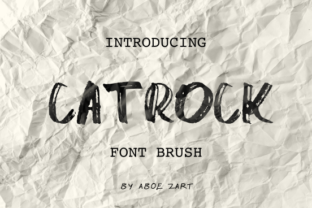
When it comes to typography that stands out, Catrock is a font that delivers. Designed with a bold, brush-like aesthetic, Catrock offers a unique blend of strength and creativity. Whether you're crafting a brand identity, designing a website, or producing print materials, this font can elevate your visual storytelling in ways that feel both modern and expressive.
The Unique Appeal of Catrock
Catrock is more than just a font—it's a design language. Its brush-stroke style gives it a handcrafted feel, making it stand apart from the typical sans-serif or serif fonts. The boldness of Catrock makes it ideal for headers, titles, and any text where impact matters. It’s not just about looking good; it’s about making a statement.
What sets Catrock apart is its versatility. While it has a strong, artistic character, it also maintains readability, which is crucial for effective communication. This balance allows designers to use it in a wide range of contexts without sacrificing clarity or style.
Where Can You Use Catrock?
Catrock is a font that thrives on creativity. Here are some practical applications:
- Branding: Use Catrock for logos, taglines, and brand assets to create a memorable visual identity.
- Marketing Materials: From social media posts to email newsletters, Catrock adds a contemporary edge to promotional content.
- Website Design: Incorporate Catrock into headers or call-to-action buttons to draw attention and guide user interaction.
- Print Media: Magazines, brochures, and posters can benefit from the font’s bold, artistic look.
- Artistic Projects: Artists and illustrators can use Catrock as part of their visual compositions, blending text with imagery.
Each application allows for creative interpretation. For example, a small business owner might use Catrock in a logo to convey confidence and originality, while a blogger could apply it to headlines to add a fresh, modern tone to their content.
Tips for Using Catrock Effectively
To make the most of Catrock, consider these best practices:
- Pair Wisely: Combine Catrock with simpler, cleaner fonts for body text to maintain readability while keeping the design visually engaging.
- Use Sparingly: Because of its bold nature, overuse can dilute its impact. Save Catrock for key elements like titles or emphasis.
- Experiment with Sizes: Larger sizes enhance its brush-style appearance, making it perfect for headers and banners.
- Test Across Platforms: Ensure that Catrock renders consistently across different devices and browsers to avoid unexpected formatting issues.
- Consider Color: The font works well with both dark and light backgrounds. Experiment with contrasting colors to highlight its texture and depth.
By following these guidelines, you can ensure that Catrock remains a powerful tool in your design toolkit without overwhelming your audience.
Real-World Applications and Inspiration
Catrock’s adaptability means it can be used in various industries and formats. Let’s explore a few real-world examples:
For Marketers
A digital marketer might use Catrock in a campaign to create eye-catching visuals. Imagine a social media ad featuring a bold headline in Catrock paired with a vibrant image. This combination draws attention and reinforces the message with visual impact.
For Educators
Teachers can incorporate Catrock into classroom materials or presentations to make learning more engaging. A science teacher might use it for a project title or a key concept to emphasize important ideas.
For Entrepreneurs
An entrepreneur launching a new product could use Catrock in branding materials. A startup focused on sustainability might pair the font with earthy tones to reflect their values while maintaining a professional look.
For Hobbyists
Catrock is also a great choice for personal projects. A hobbyist creating a handmade journal might use it for page headers or special notes, adding a touch of personality and artistry.
Conclusion
Catrock is a font that brings both style and substance to creative work. Its bold, brush-like design makes it ideal for a wide range of applications, from branding to marketing to personal expression. By understanding how to use it effectively, you can harness its power to create compelling, audience-friendly content that stands out in a crowded digital landscape.