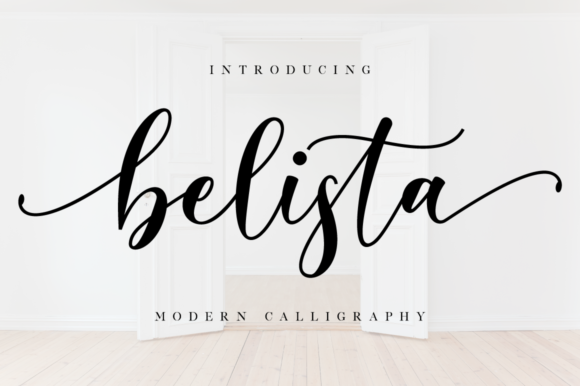
Belista Script: A Beautiful Font for Creative and Professional Workflows
Belista Script is more than just a font—it’s a design tool that can elevate the visual impact of your projects. With its elegant, flowing lines and light, airy feel, Belista Script brings a sense of sophistication and creativity to any design. Whether you're working on branding materials, website headers, or personal creative projects, this script font has the potential to make your work stand out in a crowded digital landscape.
Understanding Belista Script and Its Role in Design
Belista Script is a beautiful and light script font designed with a focus on readability and aesthetic appeal. It features soft curves and a natural flow that makes it ideal for both formal and informal contexts. Unlike heavier script fonts that can feel overwhelming, Belista Script maintains a clean and modern look that complements a wide range of design styles.
This font fits seamlessly into broader design processes by offering a versatile option for text that needs to convey elegance without sacrificing clarity. It works particularly well in situations where a handwritten or artistic touch is desired but not necessary for legibility. From invitations to social media graphics, Belista Script can be a powerful addition to your toolkit.
Where Belista Script Fits in Your Workflow
Belista Script can be used at various stages of a project, depending on your goals and the nature of your work. Here are some practical use cases:
- Before a Project: When planning a brand identity or designing a logo, using Belista Script can help visualize how your text will appear in different formats. It allows you to experiment with typography early in the process, ensuring that your final output aligns with your vision.
- During a Project: While designing content for websites, brochures, or marketing materials, Belista Script can serve as a primary text style for headings, quotes, or call-to-action buttons. Its light weight ensures it doesn’t overpower other elements on the page.
- After a Project: For final touches, such as adding a signature or decorative element to a document, Belista Script can provide a polished and professional finish. It also works well in print and digital formats, making it a reliable choice for consistency across platforms.
By integrating Belista Script into your workflow at these key points, you can ensure that your design choices reflect both your brand and your audience's expectations.
How Belista Script Works with Other Tools and Platforms
Belista Script is compatible with most design software and platforms, including Adobe Photoshop, Illustrator, Canva, Figma, and even basic word processors like Microsoft Word and Google Docs. This versatility means you can use it across multiple mediums without worrying about compatibility issues.
When working with other design tools, consider how Belista Script interacts with your existing assets. For example, if you're creating a website, you might pair it with a sans-serif font for body text to maintain balance. In print design, pairing it with a bold, structured font can help guide the reader’s eye through the layout.
Additionally, Belista Script supports a range of character sets, including Latin, Greek, and Cyrillic, making it suitable for multilingual projects. This feature is especially useful for global brands or educational materials that require language flexibility.
Practical Tips for Using Belista Script Effectively
To get the most out of Belista Script, follow these practical tips:
- Use it sparingly: Because Belista Script is a script font, it should be used in moderation to avoid overwhelming your design. Reserve it for headings, titles, or specific calls to action rather than entire paragraphs.
- Test it across devices: Ensure that the font renders correctly on all screen sizes and resolutions. Some devices may have limited font support, so always check how it looks in different environments.
- Pair it wisely: Combine Belista Script with complementary fonts to create a cohesive design. A sans-serif font like Montserrat or Open Sans often works well with its elegant curves.
- Consider readability: Even though Belista Script is light and stylish, it should still be easy to read. Use it in larger sizes and ensure there is enough contrast between the text and background.
- Keep it organized: If you're using multiple fonts in a project, keep track of which ones you’re using and why. This helps maintain consistency and makes future edits easier.
These strategies will help you integrate Belista Script smoothly into your workflow while maintaining professionalism and clarity.
Real-World Applications and Outcomes
Belista Script is widely used in a variety of real-world scenarios, from small business branding to large-scale marketing campaigns. Here are a few examples of how it can be applied:
- Branding: Many startups and independent businesses use Belista Script for their logos and packaging. Its elegant style adds a touch of personality to their brand identity.
- Marketing Materials: In email newsletters, social media posts, and promotional flyers, Belista Script can draw attention to key messages and enhance the visual appeal of the content.
- Education: Teachers and educators often use script fonts like Belista Script in lesson plans, handouts, and presentations to make written content more engaging and visually appealing.
- Personal Projects: For hobbyists, bloggers, and content creators, Belista Script can add a creative flair to personal blogs, portfolios, and creative writing pieces.
By applying Belista Script in these ways, you can achieve better engagement, clearer communication, and a more memorable visual experience for your audience.
Long-Term Considerations and Best Practices
When incorporating Belista Script into your long-term workflow, consider the following best practices:
- Consistency: Use Belista Script consistently across all your projects to build brand recognition and maintain a cohesive visual identity.
- Quality Control: Always preview your designs before finalizing them. Check for any inconsistencies in spacing, alignment, or rendering.
- Backup and Updates: Keep a backup of your font files and stay updated with any changes or improvements to the font. This ensures you’re always using the most current version.
- Collaboration: If you're working with a team, communicate clearly about how and when to use Belista Script. This helps prevent confusion and ensures everyone is aligned with the design goals.
- Adaptability: Be open to adjusting your approach based on feedback and new insights. Typography is an evolving field, and staying flexible will help you adapt to changing trends and needs.
By following these guidelines, you’ll be able to use Belista Script effectively over time, ensuring that it continues to deliver value to your work and your audience.