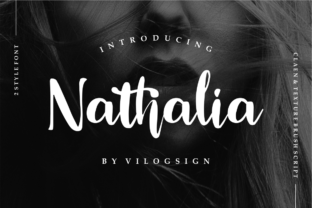
Nathalia: A Handwritten Font That Enhances Creative Workflows
Nathalia is a beautiful and charming handwritten font that brings a unique, personal touch to any design or creative project. Its elegant curves and natural flow make it ideal for those who want to add warmth, authenticity, and character to their work. Whether you're designing marketing materials, creating social media content, or working on personal branding, Nathalia can be a powerful tool in your creative arsenal.
Understanding Nathalia’s Unique Appeal
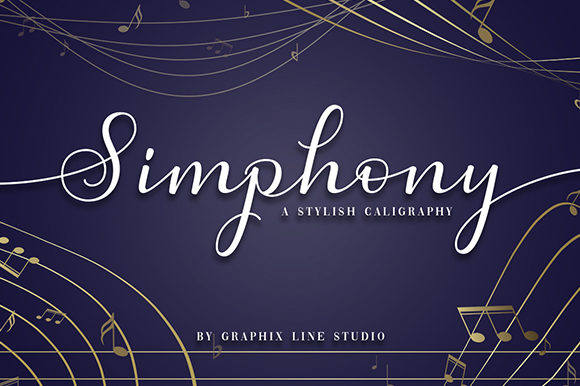
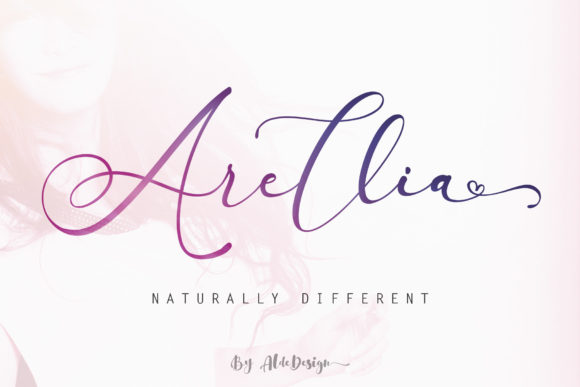
Nathalia stands out because of its authentic, handcrafted feel. Unlike many digital fonts that mimic typographic precision, Nathalia captures the irregularity and charm of real handwriting. This makes it particularly appealing for designers looking to create a more human, relatable aesthetic. The font’s subtle variations in stroke width and spacing give it a sense of movement and personality that machine-generated fonts often lack.
For professionals in fields like graphic design, branding, and content creation, this kind of visual nuance can make a significant difference. It helps in differentiating content from competitors and adds a layer of emotional connection with the audience. Nathalia is not just a font—it's a storytelling tool that can enhance the message being conveyed.
Where Does Nathalia Fit in the Creative Process?
Nathalia can be used at various stages of a project, depending on the goals and needs of the user. Here are some practical use cases:
- Before a Project: Use Nathalia for brainstorming sessions or mood boards. Its organic style can help spark creativity and inspire new ideas.
- During a Project: Incorporate Nathalia into mockups, wireframes, or concept sketches. It can serve as a visual guide to maintain consistency in tone and style.
- After a Project: Apply Nathalia to final deliverables such as presentations, brochures, or social media posts. It adds a finishing touch that elevates the overall look and feel.
By integrating Nathalia into these phases, users can ensure that the font enhances the entire workflow rather than being an afterthought. It supports both the planning and execution stages, helping to maintain a cohesive visual identity throughout the process.
How Nathalia Interacts With Other Tools and Resources
Nathalia works well with a variety of design tools and platforms, making it versatile for different workflows. It is compatible with Adobe Illustrator, Photoshop, InDesign, and Canva, among others. These tools allow for seamless integration into existing design pipelines, whether you're working on a small personal project or a large-scale campaign.
When paired with other resources like stock images, color palettes, or brand guidelines, Nathalia can help reinforce a unified visual language. For example, using it alongside a minimalist color scheme can create a striking contrast that highlights the font’s elegance.
Additionally, Nathalia can complement other fonts in a typeface hierarchy. Pairing it with a clean sans-serif font for body text can create a balanced and professional look while still maintaining a personal touch through the use of Nathalia for headings or accents.
Practical Implementation Tips for Using Nathalia
Integrating Nathalia into your workflow doesn’t have to be complicated. Here are some tips to get started:
- Choose the Right Context: Ensure that Nathalia aligns with the purpose of your project. It may not be suitable for all types of content, especially those requiring high readability or formal presentation.
- Test Different Sizes and Spacings: Experiment with how Nathalia looks at different sizes and line spacings. This will help you determine the best way to use it without compromising legibility.
- Use It Strategically: Rather than applying Nathalia to every element, use it selectively to highlight key messages or create visual interest without overwhelming the reader.
- Check Compatibility: Before finalizing your design, verify that Nathalia works well with the platform or medium you’re using. Some platforms may have limited font support, so always test in the intended environment.
- Consider Long-Term Use: If you're working on a long-term project or brand identity, think about how Nathalia will hold up over time. Consistency is key, so choose a font that can remain relevant and effective across different stages of the project.
By following these steps, you can ensure that Nathalia is used effectively and efficiently, enhancing your workflow without unnecessary complications.
Real-World Examples of Nathalia in Action
To better understand how Nathalia can be applied in practice, let’s look at a few real-world scenarios:
Case Study 1: Branding for a Small Business
A local boutique wanted to create a unique brand identity that felt personal and approachable. They chose Nathalia for their logo and website headers, which helped convey a warm and friendly image. The font was paired with soft pastel colors and simple graphics to maintain a cohesive and inviting look.
Case Study 2: Social Media Content Creation
A content creator used Nathalia for Instagram captions and story text. The font added a handwritten touch that made the content feel more authentic and engaging. It was used sparingly to avoid clutter, focusing instead on key phrases that resonated with the audience.
Case Study 3: Educational Materials
An educator incorporated Nathalia into lesson plans and student handouts to make the material more accessible and visually appealing. The font was used for headings and emphasis, helping to break up dense text and improve readability.
These examples demonstrate how Nathalia can be adapted to different contexts and audiences, making it a valuable asset in a wide range of creative and professional settings.
Factors to Consider When Integrating Nathalia
While Nathalia offers many benefits, there are several factors to consider when incorporating it into your workflow:
- Preparation: Take time to plan where and how Nathalia will be used. This includes selecting appropriate content, testing different applications, and ensuring it fits within your overall design strategy.
- Compatibility: Verify that Nathalia works well with the tools, platforms, and file formats you use. This is especially important when preparing content for print or digital distribution.
- Usability: Ensure that Nathalia remains readable and functional in its intended context. Avoid using it in situations where clarity is essential, such as in legal documents or technical manuals.
- Organization: Keep track of how Nathalia is used across different projects. This will help you maintain consistency and avoid overuse, which can dilute its impact.
- Efficiency: Streamline the integration process by using templates or pre-designed assets that include Nathalia. This saves time and ensures a consistent application across your work.
- Consistency: Maintain a uniform style when using Nathalia. This includes matching it with other design elements and ensuring it aligns with your brand or project identity.
- Quality Control: Regularly review your work to ensure that Nathalia is being used appropriately and effectively. This helps maintain high standards and prevents potential issues down the line.
- Long-Term Use: Think about how Nathalia will continue to serve your needs over time. It should remain relevant and adaptable as your projects evolve.
By considering these factors, you can ensure that Nathalia is integrated smoothly into your workflow, supporting both short-term goals and long-term objectives.