Reviving Tradition: Dinda and the Modern Evolution of Calligraphy
In an era where digital communication dominates, the art of calligraphy remains a powerful symbol of craftsmanship, creativity, and cultural heritage. Among the many fonts that have emerged in recent years, Dinda stands out as a beautiful and sophisticated handwritten font that bridges the gap between classic calligraphy and modern design. This article explores how Dinda is not just a font but a movement that redefines the way we engage with handwritten typography in today's world.
The Art of Calligraphy: A Timeless Craft
Calligraphy has been a revered form of artistic expression for centuries, originating from ancient civilizations such as Egypt, Greece, and China. It was not only a means of communication but also a reflection of cultural identity, religious devotion, and personal style. Traditional calligraphy required meticulous training, patience, and an understanding of brushwork, ink flow, and letter formation. Each stroke carried meaning, and every piece was a testament to the artist's skill and dedication.
However, as technology advanced, the practice of calligraphy faced challenges. The rise of digital tools and screen-based communication made handwritten text less common in everyday life. Despite this shift, there was a growing appreciation for the elegance and uniqueness of handwritten styles. This revival sparked a new wave of interest in calligraphy, leading to the creation of fonts that emulate the beauty of traditional scripts while adapting to contemporary needs.
Dinda: A Font with Soul
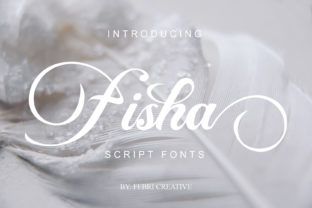
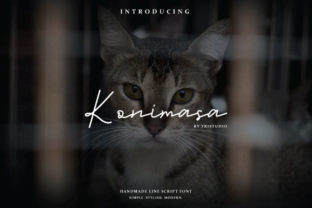
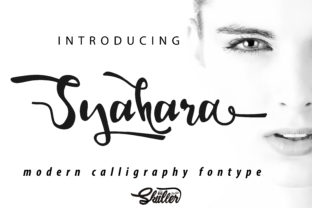
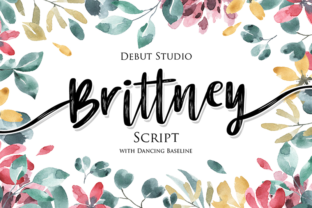
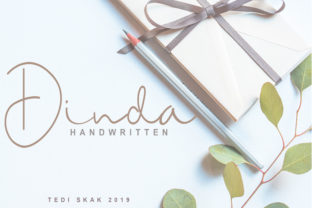
Dinda is one such font that has captured the hearts of designers, writers, and enthusiasts alike. Inspired by classic calligraphy, it retains the fluidity and grace of traditional scripts while incorporating modern design principles. Its elegant curves and refined strokes evoke a sense of sophistication, making it suitable for both personal and professional use.
What sets Dinda apart is its ability to blend tradition with innovation. While it draws from historical calligraphic traditions, it also introduces subtle variations that make it more adaptable to digital platforms. This balance allows users to maintain the authenticity of handwritten text without sacrificing readability or functionality in a digital context.
For those who value aesthetics and functionality, Dinda offers a versatile solution. Whether used in branding, invitations, logos, or creative projects, it adds a touch of elegance that resonates with audiences across different age groups and cultures.
Applications of Dinda in Modern Design
The versatility of Dinda makes it an excellent choice for a wide range of applications. From website headers to product packaging, this font can elevate the visual appeal of any design. Let's explore some of the most common use cases:
- Branding and Logo Design: Dinda is often used in logo design to create a distinctive brand identity. Its elegant script conveys professionalism and creativity, making it ideal for businesses in fashion, luxury goods, and creative industries.
- Invitations and Stationery: Handwritten elements are increasingly popular in wedding invitations, greeting cards, and other personal correspondence. Dinda provides a stylish alternative to traditional print fonts, offering a unique and personalized touch.
- Web Content and Typography: With its clean lines and legibility, Dinda is well-suited for web content. It can be used in headings, subheadings, and body text to add visual interest while maintaining readability on screens.
- Artistic Projects: Artists and illustrators often incorporate calligraphy into their work. Dinda serves as a valuable tool for creating hand-drawn illustrations, book covers, and digital art that blends traditional and modern aesthetics.
These applications highlight how Dinda can be seamlessly integrated into various design workflows. Its adaptability ensures that it remains relevant in an ever-evolving digital landscape.
Advantages of Using Dinda
Choosing Dinda over other fonts comes with several advantages. Here are some key benefits that make it a compelling option for designers and creators:
- Elegance and Sophistication: The flowing script of Dinda exudes a sense of refinement and class. It is perfect for projects that require a touch of elegance without being overly ornate.
- Readability: Despite its artistic nature, Dinda maintains good readability, especially when used in appropriate sizes and contexts. This makes it suitable for both decorative and functional purposes.
- Adaptability: Dinda can be customized to suit different design needs. Whether you're looking for a bold, dramatic look or a more subtle, refined style, this font offers flexibility.
- Cultural Relevance: As a font inspired by traditional calligraphy, Dinda carries cultural significance. It appeals to those who appreciate the history and artistry behind handwritten typography.
By combining these qualities, Dinda becomes more than just a font—it becomes a statement of style, creativity, and cultural appreciation.
Considerations When Using Dinda
While Dinda offers numerous benefits, it is important to consider certain factors before integrating it into your design projects:
- Font Size and Spacing: To ensure optimal readability, always test Dinda at different sizes and spacing settings. Avoid using it in very small text or crowded layouts.
- Color and Background: The contrast between the font color and background plays a crucial role in visibility. Choose colors that complement each other to enhance legibility.
- Use Cases: While Dinda is versatile, it may not be suitable for all types of content. For example, it might not be the best choice for technical documents or long-form reading materials.
- Accessibility: Ensure that your design is accessible to all users, including those with visual impairments. Use sufficient contrast and avoid relying solely on visual cues.
By keeping these considerations in mind, you can maximize the effectiveness of Dinda in your designs while ensuring a positive user experience.
Conclusion
As we continue to navigate the intersection of tradition and technology, fonts like Dinda play a vital role in preserving the beauty of handwritten calligraphy while embracing modern design practices. Its elegant style, adaptability, and cultural significance make it a valuable asset for designers, artists, and creators across various fields.
Whether you're crafting a logo, designing a website, or creating a personal project, Dinda offers a unique and sophisticated approach to typography. By understanding its characteristics, applications, and considerations, you can harness its potential to elevate your work and connect with your audience in meaningful ways.