Play Sign: A Strategic Tool for Creative and Practical Expression
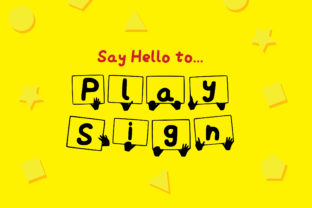
Play Sign is more than just a decorative font—it’s a versatile, expressive tool that can enhance communication, creativity, and branding in meaningful ways. Its playful yet elegant design offers a unique way to convey messages with warmth, personality, and visual appeal. Whether you're designing content for your brand, crafting marketing materials, or simply expressing yourself through typography, Play Sign has the potential to elevate your message and create a stronger emotional connection with your audience.
The Strategic Value of Play Sign
Typography plays a critical role in how we communicate. It influences readability, perception, and engagement. Play Sign stands out because it balances charm with clarity, making it suitable for both casual and professional contexts. Unlike fonts that are overly stylized or too formal, Play Sign brings a sense of joy and approachability without sacrificing legibility.
This makes it particularly useful for audiences who value both aesthetics and functionality. For instance, small business owners might use Play Sign to create eye-catching signage or promotional materials that reflect their brand’s personality. Educators could incorporate it into lesson plans or student projects to make learning more engaging. Freelancers and creators might use it to add a personal touch to their portfolios or social media content.
When to Use Play Sign Strategically
The key to leveraging Play Sign effectively lies in understanding when and where it adds the most value. Consider using it in the following scenarios:
- Branding and Identity: When building a brand that emphasizes fun, creativity, or community, Play Sign can help reinforce those values visually.
- Marketing Materials: In flyers, posters, or digital ads, Play Sign can draw attention and make your message stand out.
- Learning and Education: Teachers and students can use it to highlight key points, create interactive content, or foster a more relaxed learning environment.
- Personal Projects: Whether it's a blog post, social media graphic, or handmade item, Play Sign can add a unique flair to your creative work.
However, it’s important to recognize that Play Sign isn’t always the best choice. Its playful nature may not align with every context, especially where professionalism or formality is required. Before relying on it, ask yourself: Does this font support the tone and purpose of my message? Will it enhance or distract from the core message?
How to Approach Play Sign with Purpose
Intentional use of Play Sign requires careful planning and consideration. Here are some practical tips to guide your approach:
- Define Your Goals: What do you hope to achieve by using Play Sign? Is it to engage a younger audience, create a memorable brand identity, or simply add visual interest?
- Assess Your Audience: Who will see your content? Will they appreciate the playful tone, or does it risk being seen as unprofessional?
- Test in Context: Preview your designs in different environments to ensure Play Sign works well across platforms and mediums.
- Combine Thoughtfully: Pair Play Sign with other fonts that complement its style to maintain balance and readability.
- Measure Impact: Track how your audience responds to content featuring Play Sign. Does it increase engagement, drive conversions, or build brand recognition?
By approaching Play Sign with these considerations, you can avoid common pitfalls and ensure it serves as a strategic asset rather than a random aesthetic choice.
Practical Examples of Play Sign in Action
Let’s look at real-world examples of how Play Sign can be applied effectively:
- Small Business Branding: A local bakery might use Play Sign on its storefront signage to create a warm, inviting atmosphere that appeals to families and young adults.
- Online Courses: An educator offering creative writing courses could use Play Sign in course titles or promotional graphics to signal a fun, exploratory learning experience.
- Social Media Content: A lifestyle influencer might incorporate Play Sign into Instagram captions or TikTok text overlays to add personality and visual variety.
- Event Invitations: A community event organizer could use Play Sign in digital invites to create a lighthearted, engaging tone that reflects the event’s spirit.
Each of these examples demonstrates how Play Sign can be used to support specific goals while maintaining clarity and relevance.
Long-Term Value and Risk Management
While Play Sign can be a powerful tool, it’s essential to consider its long-term implications. Overreliance on a single font can limit your ability to adapt to changing trends or audience preferences. Additionally, using Play Sign without clear goals or context can lead to confusion or misalignment with your brand’s messaging.
To mitigate these risks, focus on consistency and intentionality. Use Play Sign in ways that align with your broader strategy, and don’t hesitate to rotate fonts based on new opportunities or feedback. Regularly evaluate how your use of Play Sign contributes to your overall objectives, whether that’s increasing engagement, improving brand recognition, or enhancing user experience.
Strategic Observations for Decision-Making
When deciding whether to use Play Sign, consider the following strategic observations:
- Context Matters: The appropriateness of Play Sign depends on the context in which it’s used. Always align your choice with the intended message and audience.
- Balance is Key: While Play Sign adds personality, it should be used in moderation. Overuse can dilute its impact and create visual clutter.
- Feedback is Essential: Gather insights from your audience or stakeholders to determine if Play Sign is resonating with them and achieving the desired effect.
- Adapt and Evolve: Typography trends change over time, so remain open to evolving your approach and exploring new options that better fit your current needs.
These observations underscore the importance of thoughtful decision-making when incorporating Play Sign into your design or communication strategy.
Conclusion
Play Sign is a valuable tool for anyone looking to infuse creativity, personality, and warmth into their communication. By using it strategically, you can enhance your message, connect with your audience, and support your broader goals. However, success depends on intentionality, context, and ongoing evaluation. With the right approach, Play Sign can become an integral part of your creative toolkit, helping you achieve better results and long-term value.