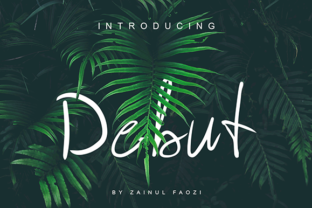
Debut: A Handwritten Font That Balances Style and Simplicity
When it comes to typography, the right choice can elevate a design from ordinary to extraordinary. Debut is a handwritten font that stands out for its cool and casual aesthetic while maintaining an elegant feel. Designed with simplicity in mind, Debut offers a unique blend of charm and sophistication that makes it a versatile option for a wide range of creative projects.
What Makes Debut Stand Out?
Debut is more than just a font—it's a statement. Its handwritten style brings a personal touch to any project, making it ideal for invitations, branding materials, or digital content. Unlike many other fonts that prioritize legibility at the expense of personality, Debut manages to balance readability with character.
The font’s design features soft curves and flowing lines that give it a natural, organic look. This makes it particularly well-suited for informal or artistic contexts where a handcrafted feel is desired. At the same time, its clean structure ensures that it remains easy to read, even when used in larger formats or on smaller screens.
One of the key strengths of Debut is its adaptability. Whether you're creating a logo, a social media post, or a printed flyer, the font can be adjusted to fit your needs without losing its signature charm. This flexibility allows designers to experiment with different styles and applications while maintaining a cohesive visual identity.
Comparing Debut to Similar Options
While there are many handwritten fonts available, Debut distinguishes itself through its refined approach. Fonts like Great Vibes or Orbitron offer similar stylistic elements, but they often lean more heavily toward boldness or modernity. Debut, on the other hand, strikes a middle ground—neither too flashy nor too basic.
For those who prefer a more structured or geometric handwriting style, Debut may not be the best fit. However, for designers looking for something that feels both contemporary and timeless, it’s an excellent choice. It’s also worth noting that Debut doesn’t require as much fine-tuning as some other handwritten fonts, which can save time during the design process.
Another point of comparison is how Debut handles spacing and letterforms. Unlike some fonts that can appear cramped or uneven, Debut maintains a consistent rhythm across its characters. This makes it especially useful for longer text blocks or headers where clarity is essential.
Strengths and Limitations
Like any font, Debut has its strengths and limitations. One of its greatest advantages is its ability to convey warmth and approachability. The casual yet elegant nature of the font makes it perfect for projects that aim to connect with audiences on a personal level.
However, it’s important to consider the context in which Debut will be used. For formal or professional settings, such as legal documents or corporate presentations, Debut might not be the most appropriate choice. In these cases, a more traditional serif or sans-serif font would likely be better suited.
Additionally, while Debut is designed for readability, it may not be the best option for very long texts. The handwritten style can sometimes lead to a less uniform appearance when used extensively, which could affect the overall professionalism of a document.
Best-Fit Situations for Debut
Debut shines in situations where a creative and personalized touch is needed. It’s particularly well-suited for:
- Branding and logos: The font’s unique style can help create a memorable brand identity.
- Social media content: Its casual vibe works well with online platforms that value authenticity.
- Invitations and event materials: Debut adds a touch of elegance to wedding invites, party flyers, or event posters.
- Digital and print publications: When used sparingly, it can enhance the visual appeal of newsletters, magazines, or brochures.
In these scenarios, Debut helps to create a sense of intimacy and individuality that other fonts may struggle to achieve. Its ability to blend style with functionality makes it a reliable choice for a variety of creative endeavors.
When to Consider Alternatives
While Debut is a strong contender in many design situations, there are times when alternatives may be more suitable. If you’re working on a project that requires a more formal or structured look, consider fonts like Playfair Display or Georgia. These options offer a more classic and professional aesthetic that may better align with your goals.
For those who prefer a bolder or more stylized handwriting, fonts like Great Vibes or Alfa Slab One might be worth exploring. These fonts can add a stronger visual impact, though they may require more careful use to maintain readability.
Ultimately, the decision between Debut and its alternatives depends on the specific needs of your project. Factors such as the target audience, the purpose of the design, and the overall tone should all be taken into account.
Practical Examples and Use Cases
To better understand how Debut can be applied in real-world scenarios, let’s look at a few examples:
Example 1: Branding
A small boutique might use Debut for its logo and website headers. The font’s casual yet elegant style reflects the brand’s personality while remaining accessible to customers.
Example 2: Social Media
A lifestyle influencer could incorporate Debut into their Instagram captions or email signatures. The font’s friendly appearance helps to build a more relatable connection with followers.
Example 3: Event Invitations
A wedding planner might choose Debut for the invitation cards. The font’s warm and inviting nature sets the tone for a romantic and personal event.
These examples illustrate how Debut can be adapted to different contexts, proving its versatility as a design tool.
Making an Informed Decision
Choosing the right font is a crucial step in any design project. While Debut offers a compelling combination of style and usability, it’s important to evaluate whether it aligns with your specific needs. Consider factors such as the intended audience, the message you want to convey, and the overall design goals before making a final decision.
If you’re looking for a font that balances creativity with practicality, Debut is definitely worth considering. However, it’s always a good idea to explore multiple options and test them in different contexts to find the best fit for your project.